Mixed reality technology, which blends the physical and digital worlds, is increasingly moving from experimental development into daily use across diverse industries. This evolution marks a significant shift in how people interact with digital content, enabling more immersive and practical applications that extend beyond traditional virtual and augmented reality.
The Rise of Mixed Reality in Professional Environments
Businesses across sectors such as manufacturing, healthcare, and education are adopting mixed reality tools to improve efficiency and enhance training processes. By merging real-world environments with computer-generated imagery, mixed reality creates interactive experiences that support complex tasks. This adoption is supported by advancements in hardware such as lightweight headsets and improved sensors that enable seamless integration of virtual elements in user environments. Industry leaders report increased productivity and reduced errors in operations where mixed reality systems have been implemented.
Consumer Technology and Daily Utilities
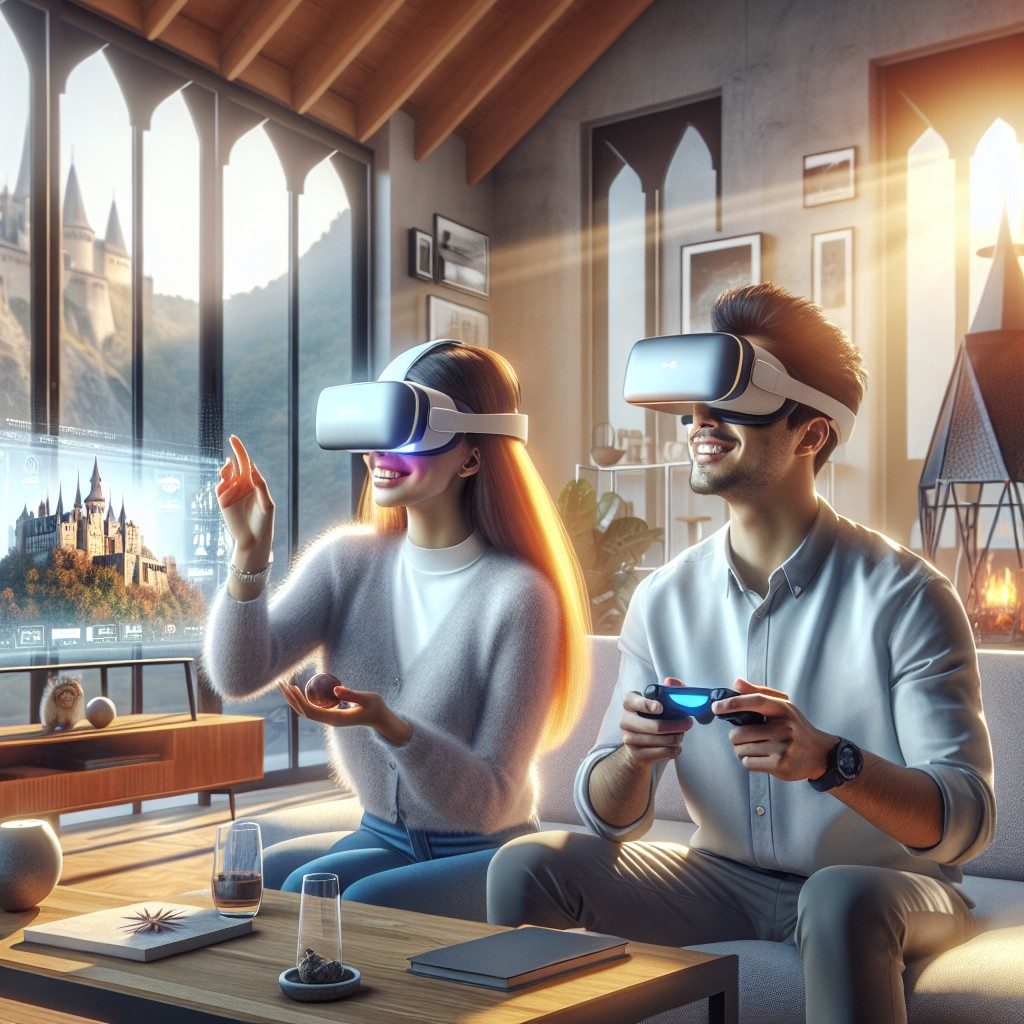
The consumer market is also witnessing growing availability of mixed reality applications. From interactive gaming to virtual home design tools, the technology facilitates novel experiences that blend real and virtual components. Smartphone manufacturers and software developers have introduced features that utilize spatial mapping and gesture control, making mixed reality more accessible for everyday users. As connectivity improves globally, these applications gain traction by offering intuitive and engaging ways to access information or entertain, enhancing user engagement beyond conventional screen-based devices.
Challenges to Widespread Mixed Reality Adoption
Despite its promising potential, mixed reality adoption faces several hurdles. High costs of advanced hardware limit accessibility for many users and organizations. Moreover, technical challenges such as latency, display resolution, and field of view continue to impact user experience. Addressing privacy and security concerns related to data capture and usage remains critical, especially in sectors handling sensitive information. Industry stakeholders and policymakers are actively working on standards and best practices to mitigate these issues and broaden acceptance.
Government and Institutional Support
Governments and international agencies recognize the economic and social potential of mixed reality and have initiated programs to encourage innovation and adoption. Funding schemes support research and development, particularly focusing on healthcare applications like surgical simulation and patient rehabilitation. Educational institutions incorporate mixed reality into curricula to prepare students for emerging professional environments. Public-private partnerships facilitate pilot projects and infrastructure development, laying foundations for more extensive future deployments of mixed reality technologies.
The Future Outlook for Mixed Reality Integration
Experts forecast that mixed reality will steadily become integrated into everyday life as devices become more affordable and versatile. The technology’s ability to enhance human capabilities and provide contextual information positions it as a key component of future digital ecosystems. As advancements continue, users are expected to experience more natural interactions with digital content seamlessly blended into their surroundings. Ongoing enhancements and wider acceptance will likely make mixed reality a standard feature in both personal and professional settings within the next decade.
Frequently Asked Questions about mixed reality
What is mixed reality and how does it differ from virtual and augmented reality?
Mixed reality combines elements of both virtual and augmented reality by integrating digital objects into the real world in a way that allows interaction with both environments simultaneously.
How is mixed reality being used in healthcare today?
In healthcare, mixed reality is used for surgical planning, medical training, and patient rehabilitation by providing immersive simulations that improve accuracy and learning outcomes.
What are the main barriers to widespread mixed reality adoption?
The primary barriers include the high cost of hardware, technical limitations like latency and display quality, and concerns about data privacy and security.
Can mixed reality be used effectively in education?
Yes, mixed reality enhances education by enabling interactive learning experiences that help students understand complex concepts through immersive visualization and hands-on virtual practice.
Where can I find reliable information on mixed reality technology developments?
Reputable sources such as major technology news outlets, academic publications, and international organizations provide detailed and up-to-date information on mixed reality advancements and trends.