As we look toward the year ahead, adopting future-proof habits can help individuals navigate the evolving landscape more efficiently. Making small, intentional changes today can ease daily challenges tomorrow, especially in light of emerging future trends that influence technology, work, and lifestyle.
Embracing Digital Literacy and Continuous Learning
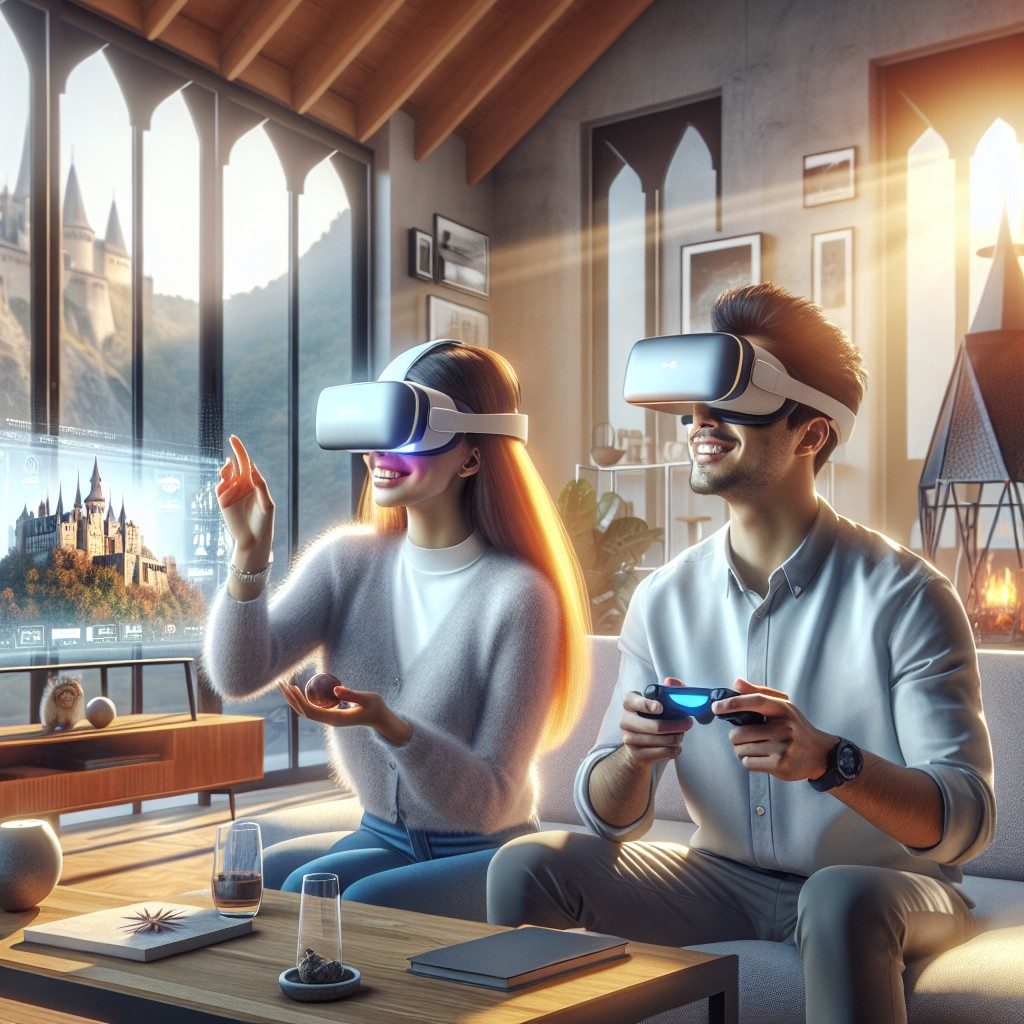
The rapid pace of technological advancement requires ongoing learning. Digital literacy is no longer optional; it is a critical skill for managing both professional responsibilities and personal tasks. Investing time in understanding new software updates, cybersecurity basics, and digital communication tools prepares individuals for upcoming shifts. Continuous learning aligns with predictions from various authorities about future trends in global digital economies, indicating the importance of adaptability.
Prioritizing Sustainable Practices
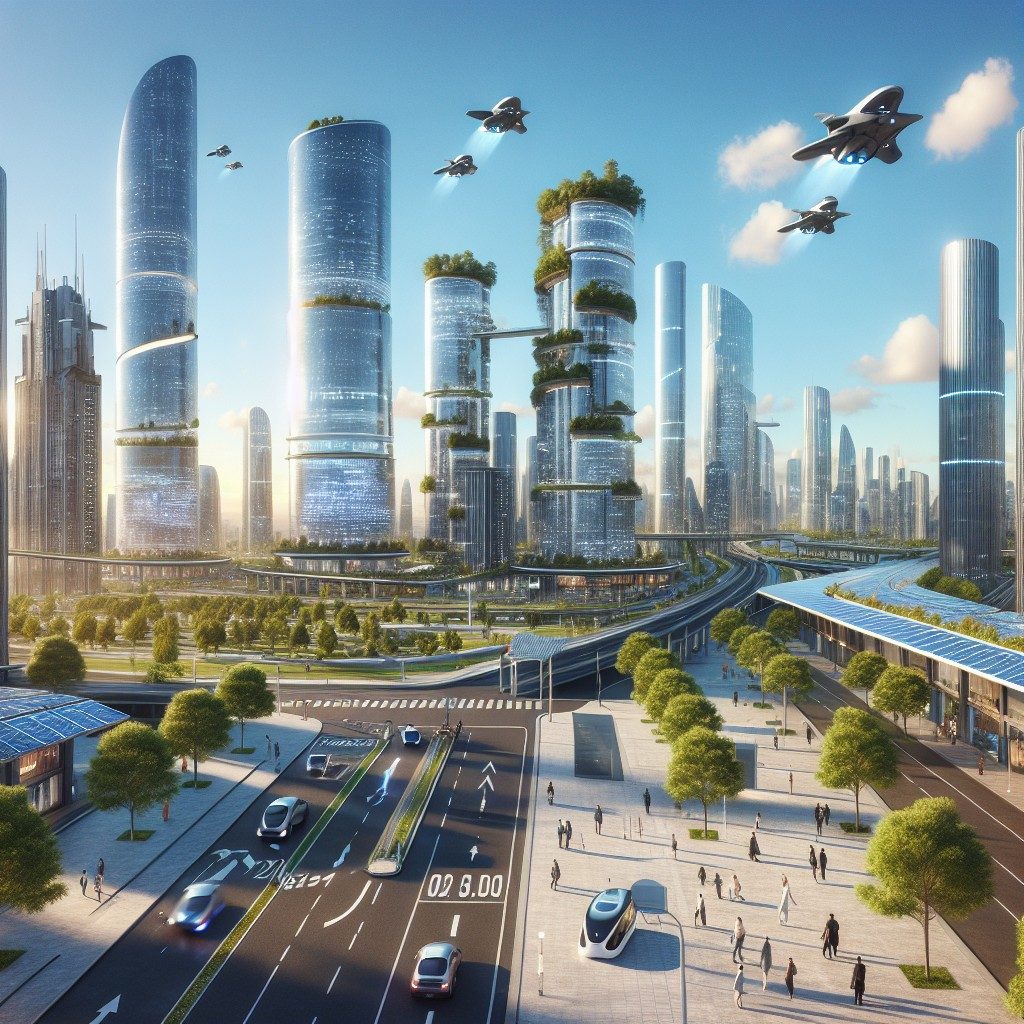
Sustainability is increasingly influencing consumer behavior and business models. Future trends suggest that environmental consciousness will continue to shape policy and markets worldwide. Small changes, such as reducing energy consumption, minimizing waste, or choosing eco-friendly products, contribute either directly or indirectly to these larger shifts. This proactive approach also supports long-term cost savings and resource efficiency, essential aspects of future-oriented living.
Streamlining Time Management
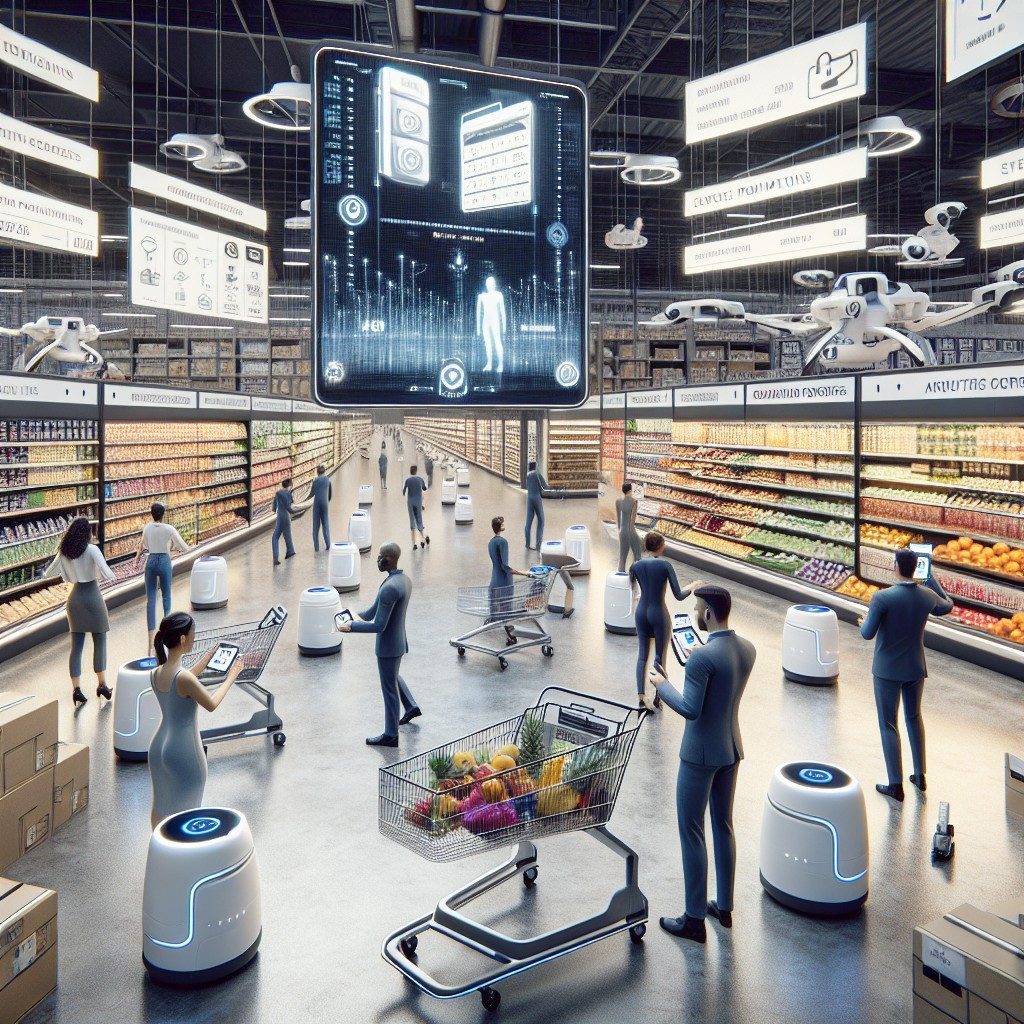
Effective time management remains a cornerstone habit for future-proofing daily life. As remote and hybrid work models persist and evolve, the ability to structure time efficiently is vital. Incorporating techniques like prioritizing tasks based on impact, setting clear goals, and minimizing distractions can improve productivity. Future trends in workplace automation also suggest that human skills in prioritization and decision-making will become increasingly valuable.
Enhancing Financial Resilience
Economic uncertainty and fluctuating markets underscore the importance of sound financial habits. Building a financial buffer, regularly reviewing expenses, and staying informed about economic future trends can protect individuals against potential disruptions. As fintech solutions advance, staying abreast of trustworthy financial technologies will aid in managing personal finances with greater precision and security.
Fostering Mental and Physical Wellbeing
Health remains a priority within the spectrum of future trends. Small lifestyle adjustments, such as regular exercise, mindful breaks, and consistent sleep schedules, contribute significantly to overall wellbeing. Public health trends indicate a growing focus on preventive care and mental health support, which suggests these habits will become even more relevant for coping with future workplace and social demands.
In conclusion, making measured, future-proof changes can lead to simpler, more manageable lives in the year ahead. The analyzed future trends highlight the intersection of technology, sustainability, finance, and wellbeing, outlining areas where small personal improvements can yield lasting benefits. Adopting these habits today prepares individuals to meet the challenges and opportunities of tomorrow with greater confidence and resilience.
Frequently Asked Questions about future trends
What are future trends, and why are they important to understand?
Future trends refer to anticipated developments in technology, economy, society, or environment that may impact daily life. Understanding them helps individuals and organizations prepare and adapt successfully.
How can small habit changes align with future trends?
Small habit changes like improving digital skills, practicing sustainability, or managing time efficiently correspond to shifts predicted by future trends, making adaptation smoother and more effective.
Are financial habits affected by future trends?
Yes, financial habits must evolve with future trends, especially due to advances in fintech and economic fluctuations, requiring continuous learning about new tools and prudent financial planning.
Do future trends suggest changes in work-life balance?
Future trends indicate ongoing transformation in work models, emphasizing flexibility and wellbeing, which calls for habits that support balanced time management and mental health.
Where can I find reliable information on future trends?
Trusted sources like the World Economic Forum, International Monetary Fund, and established news organizations provide comprehensive insights into global future trends for informed decision-making.