The grocery retail industry is undergoing a significant transformation driven by advancements in retail automation. As consumer demands for faster, more convenient shopping experiences grow, retailers are adopting innovative technologies that streamline order fulfillment and delivery. This article explores the key retail automation trends currently influencing the grocery supply chain and how these changes make groceries more accessible directly to consumers’ homes.
Automation in Inventory Management
Effective inventory management is a cornerstone of grocery retail operations. Retail automation enables precise tracking of stock levels using technologies like RFID tags and computer vision systems. These systems provide real-time updates, reducing the risk of stockouts and spoilage. Automated inventory solutions allow grocers to respond swiftly to demand fluctuations, ensuring that popular products remain available for delivery.
Robotic Order Fulfillment Centers
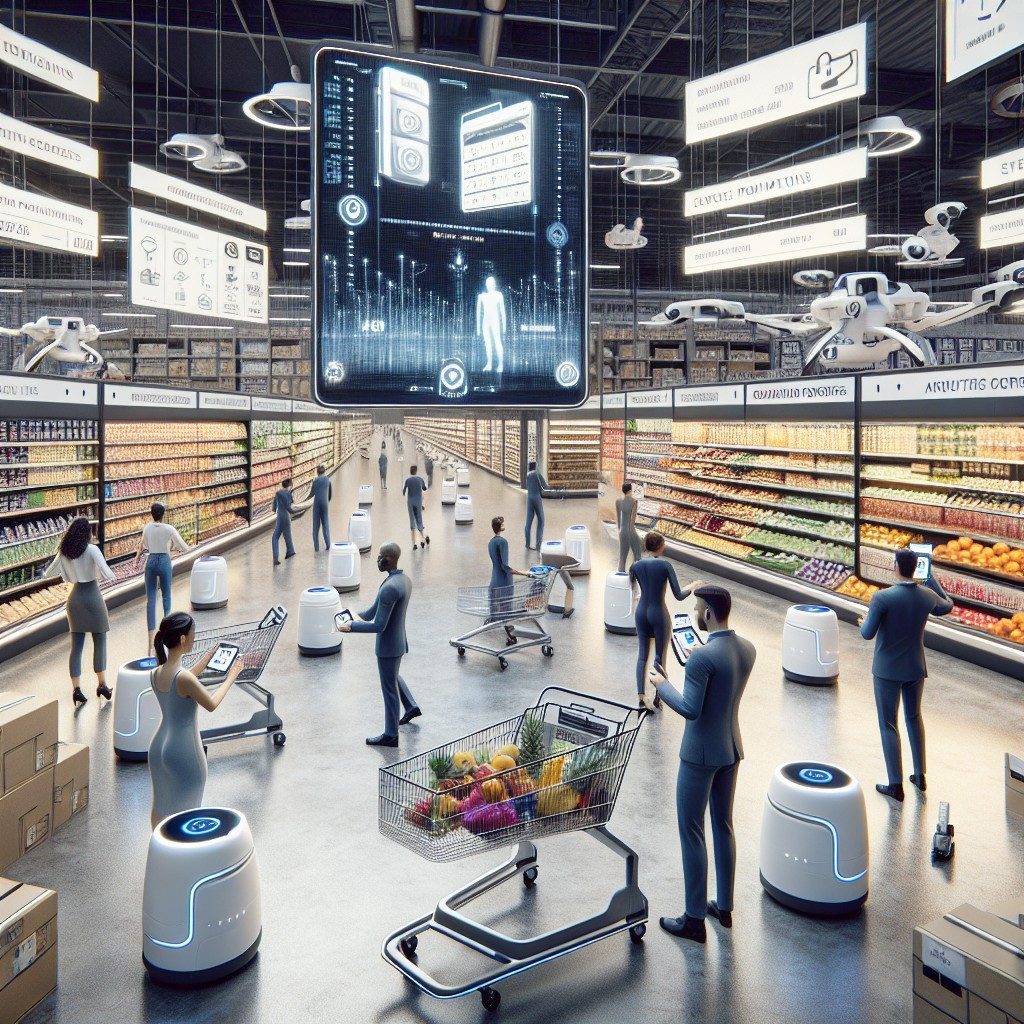
Many grocery retailers have implemented robotic automation in their warehouses to increase efficiency. Automated guided vehicles (AGVs) and robotic picking systems navigate through aisles to retrieve products, speeding up the fulfillment process. These robots work alongside human employees to optimize packing and sorting, minimizing errors and enhancing the accuracy of online grocery orders.
Advancements in Last-Mile Delivery Solutions
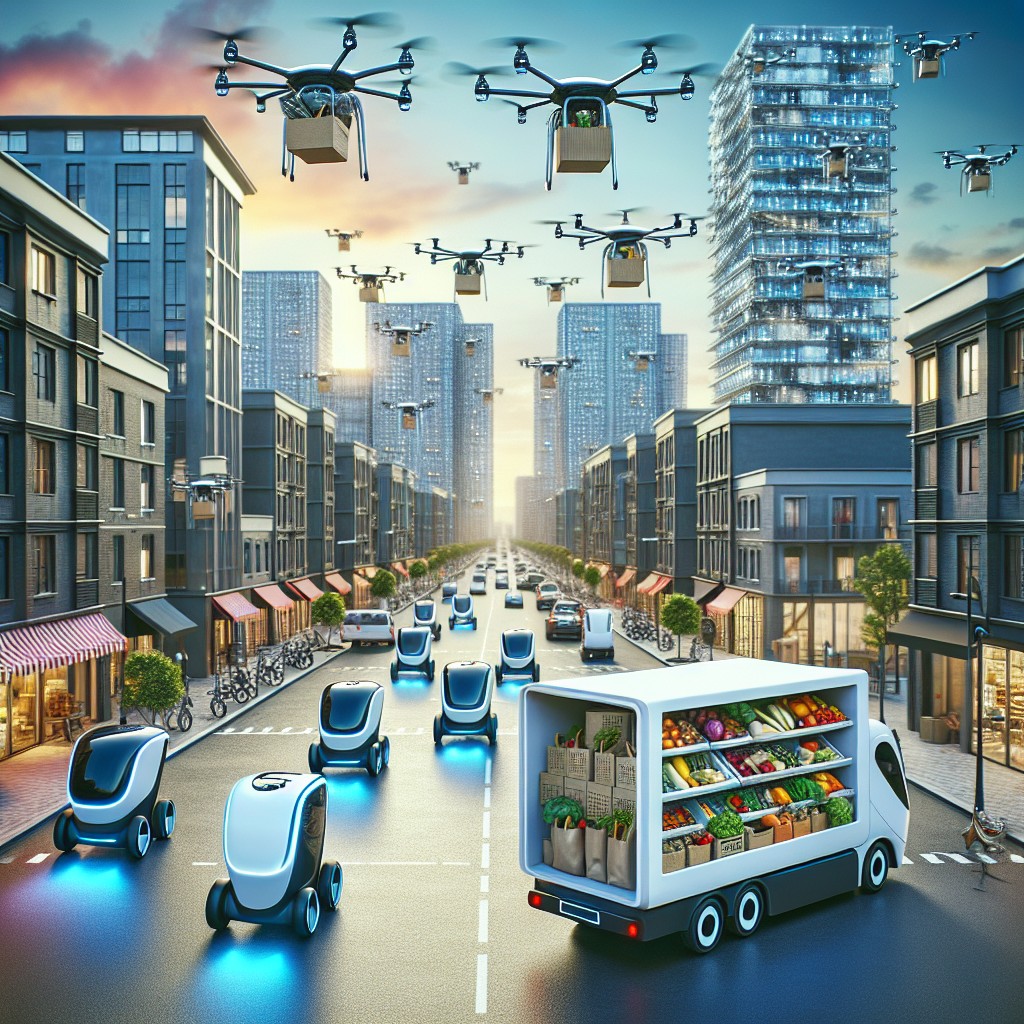
The last mile of grocery delivery is often the most complex and costly segment. Retail automation is revolutionizing this phase with the introduction of autonomous delivery vehicles, drones, and smart lockers. These technologies reduce reliance on traditional delivery personnel, lower delivery times, and expand reach, especially in urban and suburban areas. Companies are continuously testing and deploying such solutions to meet growing consumer expectations.
Integration of Artificial Intelligence in Demand Forecasting
Artificial intelligence (AI) plays a critical role in retail automation by enhancing demand forecasting accuracy. AI algorithms analyze historical sales data, seasonal trends, and external factors to predict customer purchasing patterns. Improved forecasting enables grocery retailers to optimize stock levels and staffing, leading to better service consistency and efficient delivery schedules.
Contactless Shopping and Payment Technologies
Amid health concerns and changing consumer preferences, contactless shopping experiences have become prevalent. Retail automation facilitates seamless checkout processes through mobile apps, self-service kiosks, and automated payment systems. These technologies reduce wait times and enhance safety, encouraging more customers to shop for groceries online and have them delivered with minimal physical interaction.
In summary, retail automation is reshaping how groceries reach consumers by optimizing inventory management, accelerating order fulfillment, and innovating delivery methods. As these technologies mature, shoppers can expect faster, more reliable, and convenient grocery delivery services. Industry experts predict that ongoing investments in retail automation will continue to drive efficiencies and improve the overall grocery shopping experience in the coming years.
Frequently Asked Questions about retail automation
What is retail automation in the grocery industry?
Retail automation in the grocery industry refers to the use of technology such as robotics, artificial intelligence, and automated systems to manage inventory, fulfill orders, and deliver groceries efficiently to consumers.
How does retail automation improve grocery delivery times?
By automating tasks like order picking in warehouses and utilizing autonomous delivery vehicles, retail automation reduces processing and transit times, enabling quicker grocery deliveries.
Are automated grocery systems cost-effective for retailers?
Yes, retail automation helps reduce labor costs, minimize errors, and optimize operations, resulting in long-term cost savings for grocery retailers despite initial investments.
What role does artificial intelligence play in retail automation?
Artificial intelligence supports retail automation by providing advanced demand forecasting, optimizing inventory levels, and enhancing decision-making processes within grocery operations.
Can retail automation impact the quality of grocery products delivered?
Retail automation improves product quality by enabling better inventory management, reducing the risk of spoilage, and ensuring timely and accurate delivery of groceries to customers.